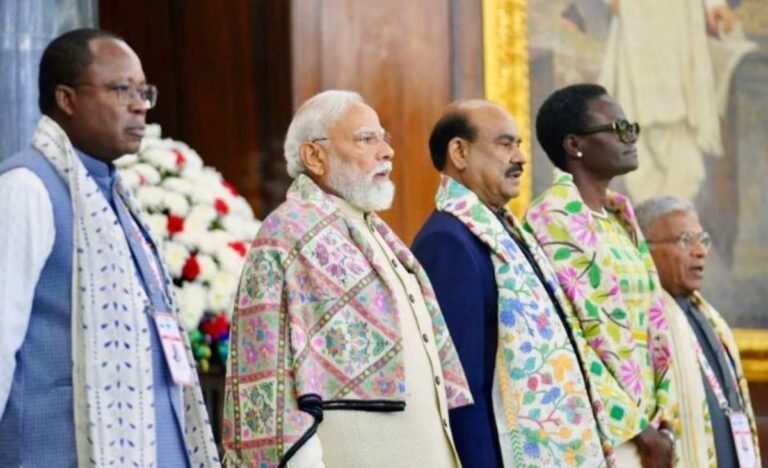

New Delhi, January 16, 2026. Diversity is the greatest strength of Indian democracy. India has proven that democratic institutions and processes provide stability, dynamism, and scale to democracy. India celebrates this diversity. The foundations of democracy are strong here. Indian democracy is like a vast tree. Its deep roots provide support.
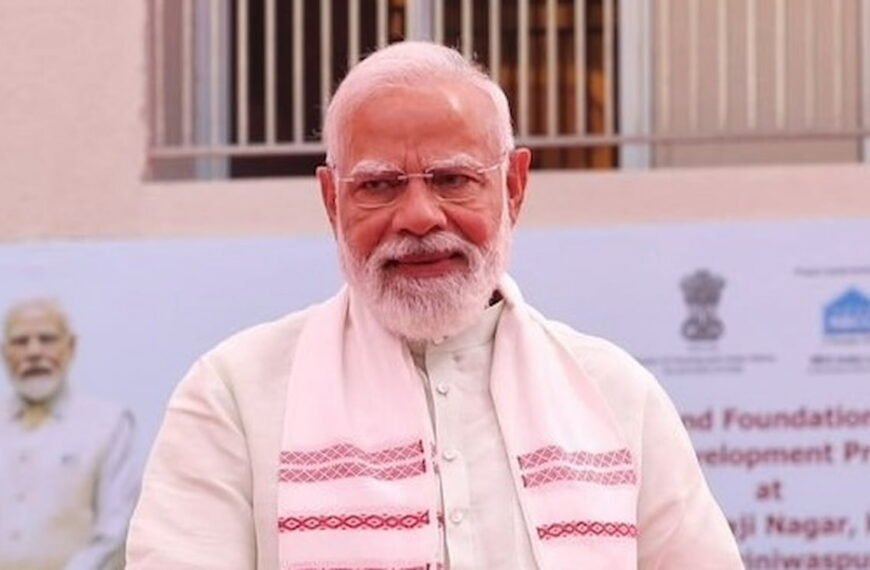
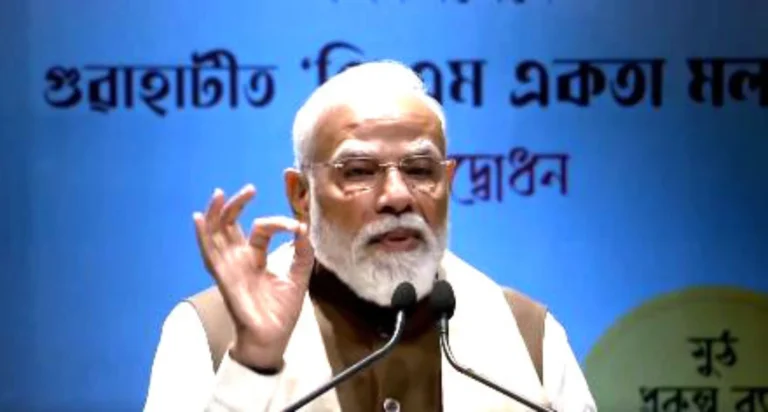
Prime Minister Narendra Modi made these remarks on Thursday, January 15, at the inauguration of the 28th Conference of Speakers and Presiding Officers of Commonwealth Parliaments. He said that when India gained independence, there were apprehensions that democracy would not survive in India due to its immense diversity, but India transformed this very diversity into the strength of its democracy.
India has proven that democratic institutions and processes are the source of stability, dynamism, and scale in democracy. The Prime Minister said that in India, democracy means ensuring that the benefits of schemes reach the last person. He said, We are working for every individual without any discrimination, with a spirit of public welfare.
He said that democracy yields results in India because the people of the country are paramount for the government. He said, We have prioritized the aspirations of the people, the dreams of the people. To ensure that there are no obstacles in their path, we have democratized everything, from processes to technology, and this democratic spirit is in our veins, in our minds, in our culture. The interest of the people, their well-being and welfare, this is our culture, and this culture has been given to us by our democracy.
In India, women are not only participants but also in leadership roles. This empowerment can be seen from the highest office of the President to the grassroots level in villages. Referring to the diversity of Indian democracy, PM Modi said that hundreds of languages are spoken here. There are more than nine hundred television channels in various languages. Thousands of newspapers and magazines are published. Very few societies are able to manage diversity on such a large scale.
There has been a long tradition of debate, dialogue, and collective decision-making here. India is called the mother of democracy. Our sacred scriptures, the Vedas, are more than five thousand years old. They mention assemblies where people gathered to discuss issues. Decisions were made after deliberation and consensus. We are the land of Lord Buddha. The Buddhist Sangha (monastic community) practiced open and structured discussions. Decisions were made through consensus or voting.